Boost Work Output With Our Complete Warehouse Options
Efficiency in warehouse activities is vital for maintaining competitiveness in today's market. Common issues can block productivity and boost costs. Extensive warehouse approaches offer a way to overcome these obstacles. By adopting advanced innovations and efficient processes, organizations can boost their performance. The value of these solutions surpass beyond mere efficiency. Understanding their influence could lead to game-changing changes in logistics operations. What important features make these solutions critical?
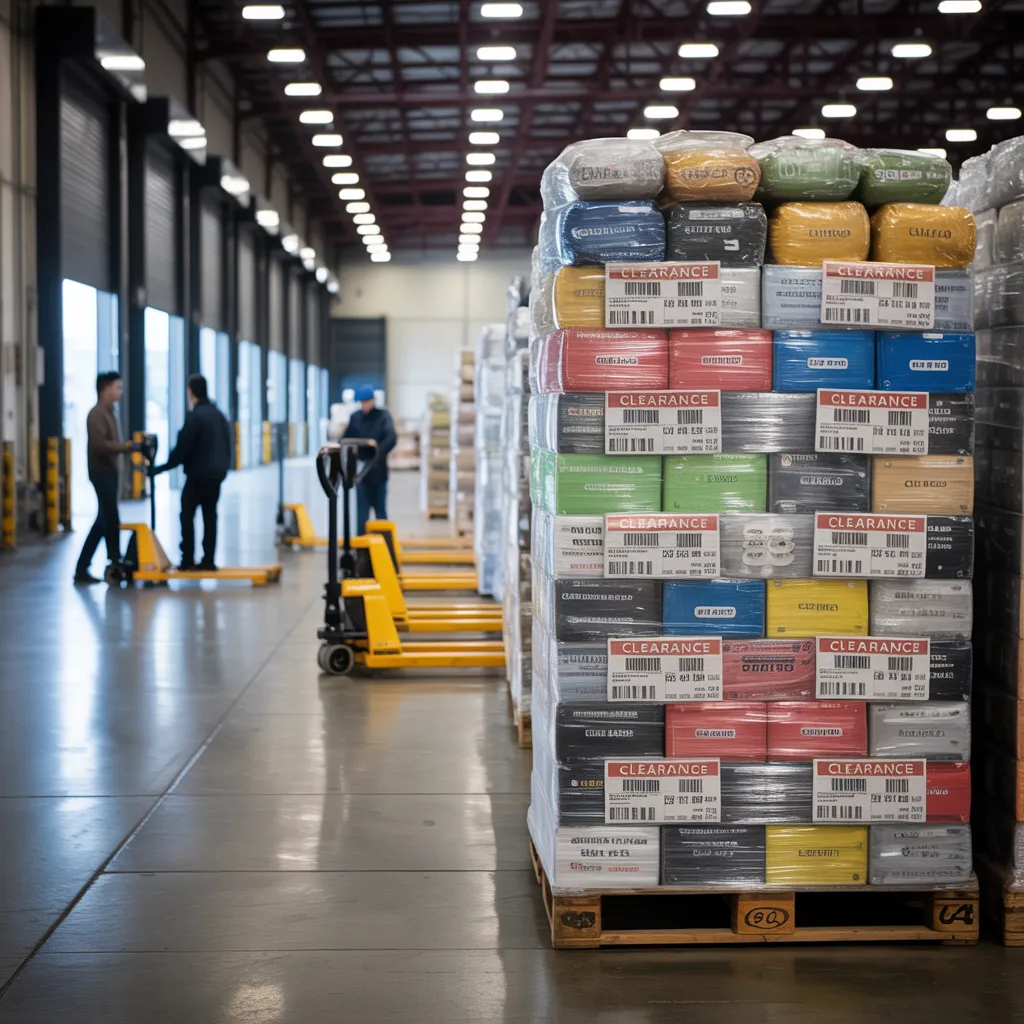
Common Warehouse Issues and Why Efficiency Matters
Across the dynamic logistics environment, storage facilities encounter several difficulties that can hinder business effectiveness. These obstacles include limited utilization of space, which frequently leads to congestion and issues in stock control. Moreover, fluctuating market demand generates problems in maintaining optimal inventory levels, contributing in inventory shortages or extra inventory. Workforce deficits even more exacerbate procedures, as locating trained personnel proves increasingly difficult.
Furthermore, outdated technology can impede processes, causing interruptions in order processing and tracking. Inefficient layout design may also add to increased travel time for employees, detracting from output. Safety concerns, such as machinery breakdowns and dangerous settings, can lead to mishaps, additionally interrupting operations. Resolving these frequent issues is imperative, as operational efficiency directly impacts cost management, customer satisfaction, and overall business performance, deeming it crucial for warehouses to evolve and establish efficient approaches.
Key Features of Our Warehouse Solutions That Increase Efficiency
The fundamental features of warehouse solutions serve as a cornerstone for improving operational efficiency. Optimized inventory oversight provides accurate monitoring and lowers errors, while automated order fulfillment enhances processing times. Together, these components establish a more efficient and responsive warehouse setting.
Efficient Inventory Management
Efficient inventory management enhances warehouse operations, enabling businesses to optimize their stock levels and lower overhead costs. By introducing advanced tracking systems, organizations can monitor inventory in real-time, confirming accurate stock counts and limiting discrepancies. This proactive approach allows for timely reordering, deterring stockouts and excess inventory. Additionally, integration with data analytics provides insights into consumer trends, enabling strategic decision-making. Efficient categorization and labeling further enhance operational flow, allowing for quicker recovery and processing of items. These features collectively contribute to a more responsive supply chain, making it easier for businesses to adapt to market demands. Overall, streamlined inventory management is vital for enhancing efficiency and maintaining competitiveness in a fast-paced environment.
Order Automation Fulfillment
As businesses increasingly aim to improve operational performance, automated order fulfillment becomes a essential component of modern warehouse solutions. This innovation optimizes the picking, packing, and shipping processes, considerably reducing human error and operational delays. By integrating advanced robotics and software, warehouses can achieve faster turnaround times and improved accuracy in order processing. Key features include real-time inventory tracking, automated sorting systems, and seamless integration with e-commerce platforms. These elements not only boost productivity but also improve customer satisfaction through timely deliveries. Moreover, data analytics allows for continual optimization of workflows, ensuring that resources are utilized effectively. Overall, automated order fulfillment represents a pivotal advancement in maximizing warehouse efficiency and meeting evolving market demands.
How to Create Smooth and Rewarding Order Fulfillment for Customers?
Keeping order fulfillment frictionless can substantially enhance customer pleasure. To reach this, businesses must stress transparent communication throughout the order process. Offering customers regular information on order status, shipping details, and expected delivery dates cultivates trust and transparency.
Moreover, employing efficient picking and packing methods minimizes delays. Incorporating technology, such as barcode scanners and automated picking systems, can improve exactness and efficiency, minimizing the risk of errors.
A key factor is offering flexible delivery options. Enabling customers to choose their preferred delivery method or time can improve their overall experience. Moreover, establishing a responsive customer service team to handle inquiries and resolve issues promptly can greatly improve satisfaction levels.
Ultimately, a client-focused plan for order delivery not only streamlines operations but also develops long-lasting relationships, spurring repeat business and constructive endorsements.
Maximizing Warehouse Supply Tracking for Increased Performance
Effective inventory management is critical for elevating warehouse performance. By employing sophisticated monitoring approaches, firms can guarantee accurate stock levels, while evidence-based planning enables forward planning. Additionally, streamlining stock replenishment processes can considerably decrease downtime and bolster overall operational throughput.
Inventory Tracking Techniques for Organizing Stock Levels Effectively
Implementing state-of-the-art inventory control approaches can substantially enhance warehouse productivity. Accurate tracking systems, including barcode scanning and RFID technology, deliver instant insight into inventory quantities and transfers. These tools support streamlined order processing by minimizing errors and reducing the time required to find products. Furthermore, periodic stock reviews—performing regular inventory audits—guarantees that inconsistencies are detected and corrected quickly. Computerized stock control software can align information across multiple locations, streamlining operations and improving accuracy. In addition, combining monitoring methods with warehouse management platforms allows for improved prediction and demand planning. By utilizing these approaches, storage facilities can maximize stock rotation, decrease storage expenses, and finally enhance overall operational efficiency. This results in a more responsive and agile storage facility setting.
Data-Centered Choices
Applying data-driven decision-making is essential in optimizing warehouse inventory management. By harnessing analytics, organizations gain valuable insights into inventory levels, turnover rates, and demand forecasting. These insights equip warehouse managers to make well-considered choices regarding stock levels and product placement, thereby reducing excess inventory and minimizing stockouts. Deploying advanced data analytics tools facilitates real-time monitoring, allowing the detection of trends and anomalies in inventory flow. In addition, data-driven approaches simplify operational processes by uncovering inefficiencies and supporting proactive adjustments. Ultimately, embedding data into decision-making processes enables warehouses to improve performance, boost customer satisfaction, and secure cost savings, creating the basis for a more responsive and agile inventory management system.
Streamlining Stock Restocking Processes
Enhancing stock replenishment processes is essential for improving warehouse inventory management and overall business performance. Effective replenishment prevents shortages and reduces excess inventory, ensuring that products are available when required. Leveraging automated inventory tracking systems can supply immediate data on inventory quantities, enabling quick reordering. Adopting just-in-time (JIT) strategies allows warehouses to align stock with demand, cutting storage costs and surplus. Moreover, categorizing inventory based on inventory turnover metrics can help focus restocking activities, ensuring sought-after products are quickly replenished. Training staff on efficient replenishment practices further enhances operations. By executing these approaches, warehouses can notably improve their inventory management, leading to enhanced productivity and customer contentment.
Leveraging Modern Systems to Streamline Logistics
Technology transforms logistics by enhancing efficiency and accuracy in warehouse operations. Advanced software solutions support real-time inventory tracking, enabling warehouses to maintain ideal stock levels and minimize excess inventory. Automated guided vehicles (AGVs) optimize material handling, reducing human error and speeding up the movement of goods within the facility.
Furthermore, forecasting models leverage historical data to predict customer needs, allowing warehouses to optimize their logistics methods proactively. Implementation of the Internet of Things (IoT) devices delivers visibility into the supply chain, enabling managers to make sound judgments with speed.
Warehouse management systems (WMS) enhance order fulfillment processes by streamlining picking and packing tasks, thereby reducing cycle times. Additionally, cloud computing solutions facilitate seamless collaboration among stakeholders, ensuring that everyone is synchronized in real-time. As a result, leveraging technology not only refines logistics but also positions warehouses to respond swiftly to market changes, ultimately driving overall performance improvement.
Vital Key Performance Indicators to Quantify Warehouse Excellence
Determining the success of warehouse operations requires focus on key performance indicators that supply useful data. Fundamental KPIs comprise stock circulation rate, which assesses how often stock is turned over, and fulfillment accuracy, which measures the portion of orders correctly fulfilled. Additionally, cycle time, the time taken from order placement to delivery, is essential for evaluating efficiency.
Another vital metric is space utilization, which shows how efficiently warehouse space is being utilized. Workforce productivity, often measured by the production per labor hour, also functions as an important factor in evaluating workforce performance.
Finally, monitoring delivery precision can reveal how effectively a warehouse fulfills delivery commitments. Together, these KPIs enable warehouse managers to pinpoint areas for enhancement, optimize processes, and improve overall operational performance, ultimately supporting the success of warehouse operations.
Frequently Requested Questions
What Industries Benefit Most From Your Warehouse Solutions?
Industries such as e-commerce, retail, manufacturing, and logistics benefit substantially from advanced warehouse solutions. These sectors experience improved inventory management, optimized workflows, and enhanced order fulfillment, ultimately leading to increased productivity and customer satisfaction.
How Do You Guarantee Information Protection in Your Systems?
Data security is guaranteed through advanced encryption, periodic reviews, and robust access controls. Continuous monitoring and staff education additionally reinforce the system, safeguarding sensitive information against possible attacks and upholding adherence with sector regulations.
Do Your Solutions Integrate With Existing Software?
Yes, the solutions can flawlessly connect with incumbent software solutions. This conformity strengthens operational efficiency, allowing for a streamlined workflow while maintaining data accuracy and safeguarding across various platforms leveraged by the organization.
What Represent the General Launch Durations for Your Solutions?
Schedules for implementation typically range from a few weeks to several months, contingent upon the project's complexity and current technological setup. A detailed assessment is carried out to provide a detailed guide tailored timeline for each client's specific requirements.
Do You Supply Training for Warehouse Workers on Your Software?
Yes, training for warehouse staff on the systems is provided. The company prioritizes thorough training programs to guarantee staff are proficient, improving overall operations and enabling a smoother transition to the new solutions implemented.